THE REGION, UP CLOSE
A landscape with more than one story.
Our regional lens: Collin, Dallas, Denton, Ellis, Hunt, Johnson, Kaufman, Parker, Rockwall, Tarrant and Wise counties.
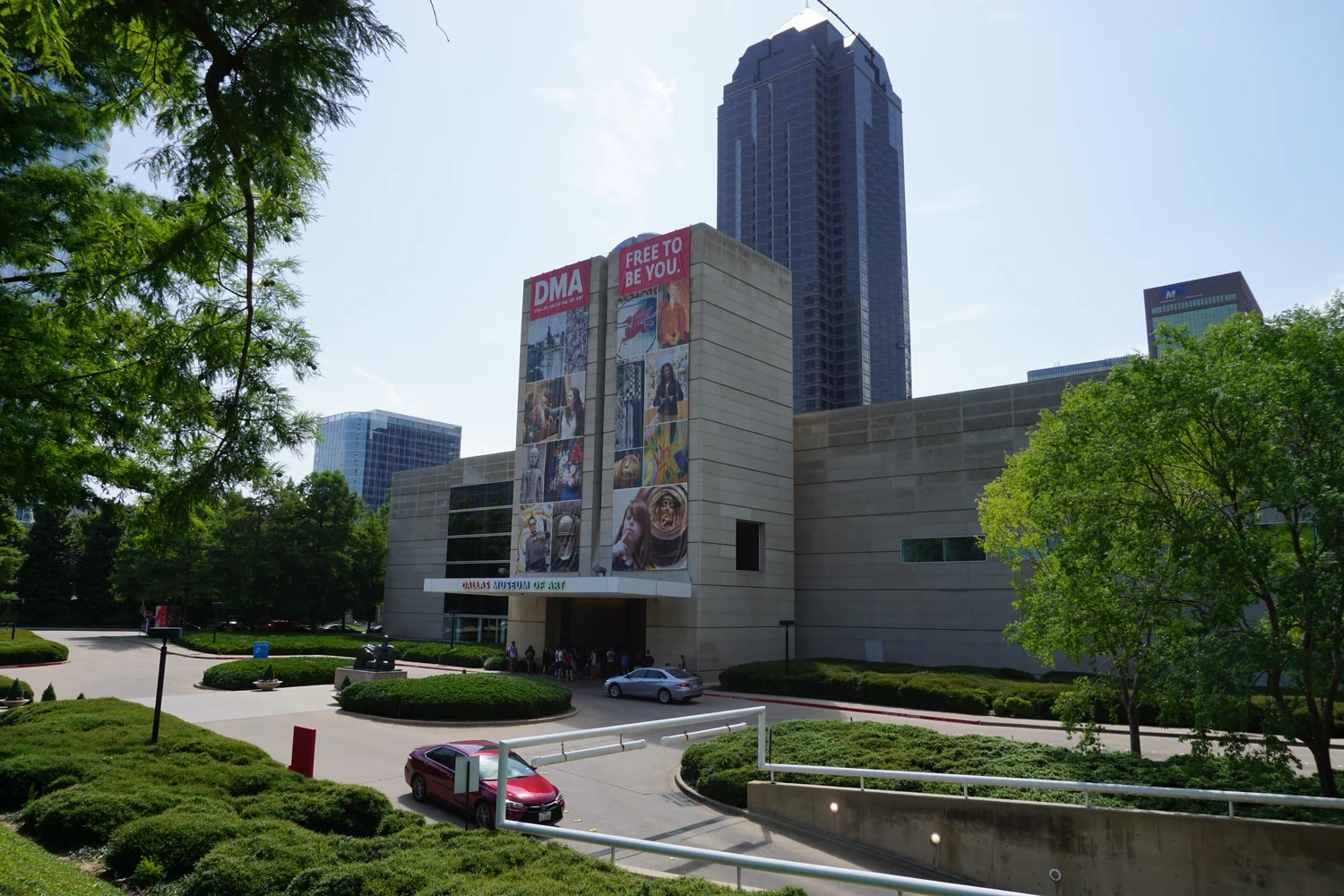
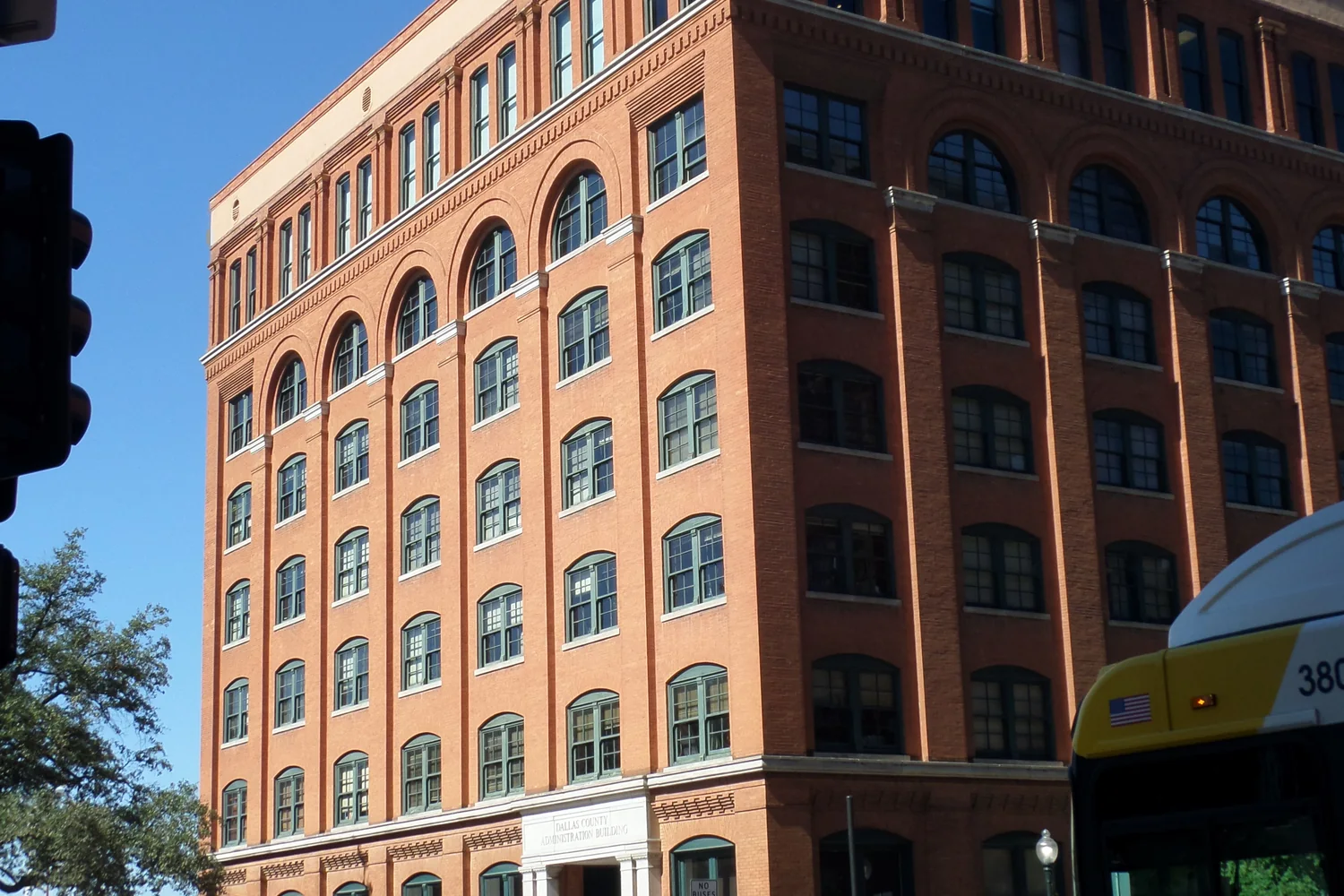
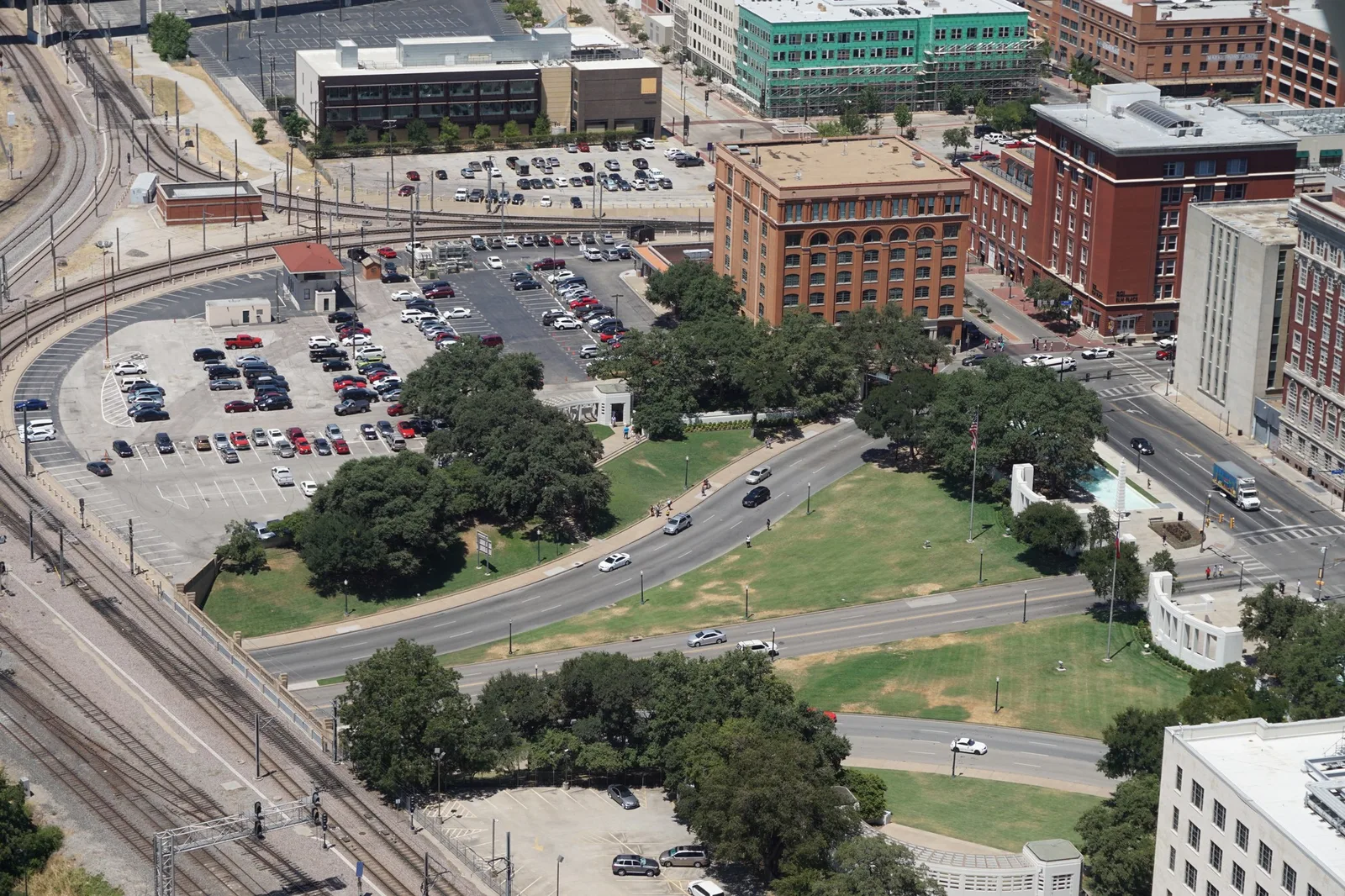
Dallas is a place to look carefully at how a city remembers. At Dealey Plaza, the Sixth Floor Museum places President John F. Kennedy’s assassination and legacy within the setting where history happened. In the Arts District, the Dallas Museum of Art stretches the view across five millennia, with collecting areas that include Indigenous American art, African art and the Keir Collection of Islamic Art. Put the two experiences together and the city becomes a starting point for both national memory and a much wider human story.
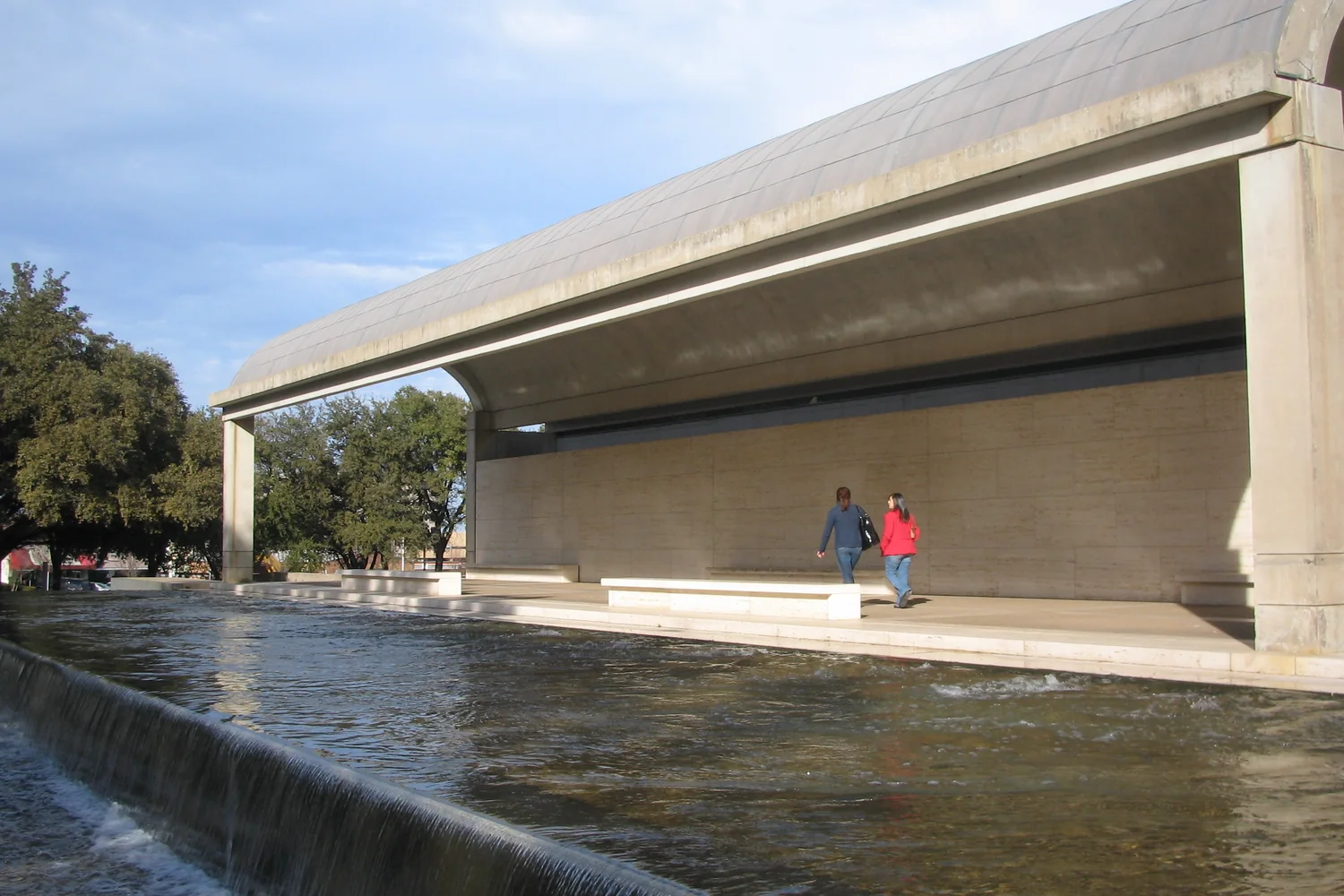
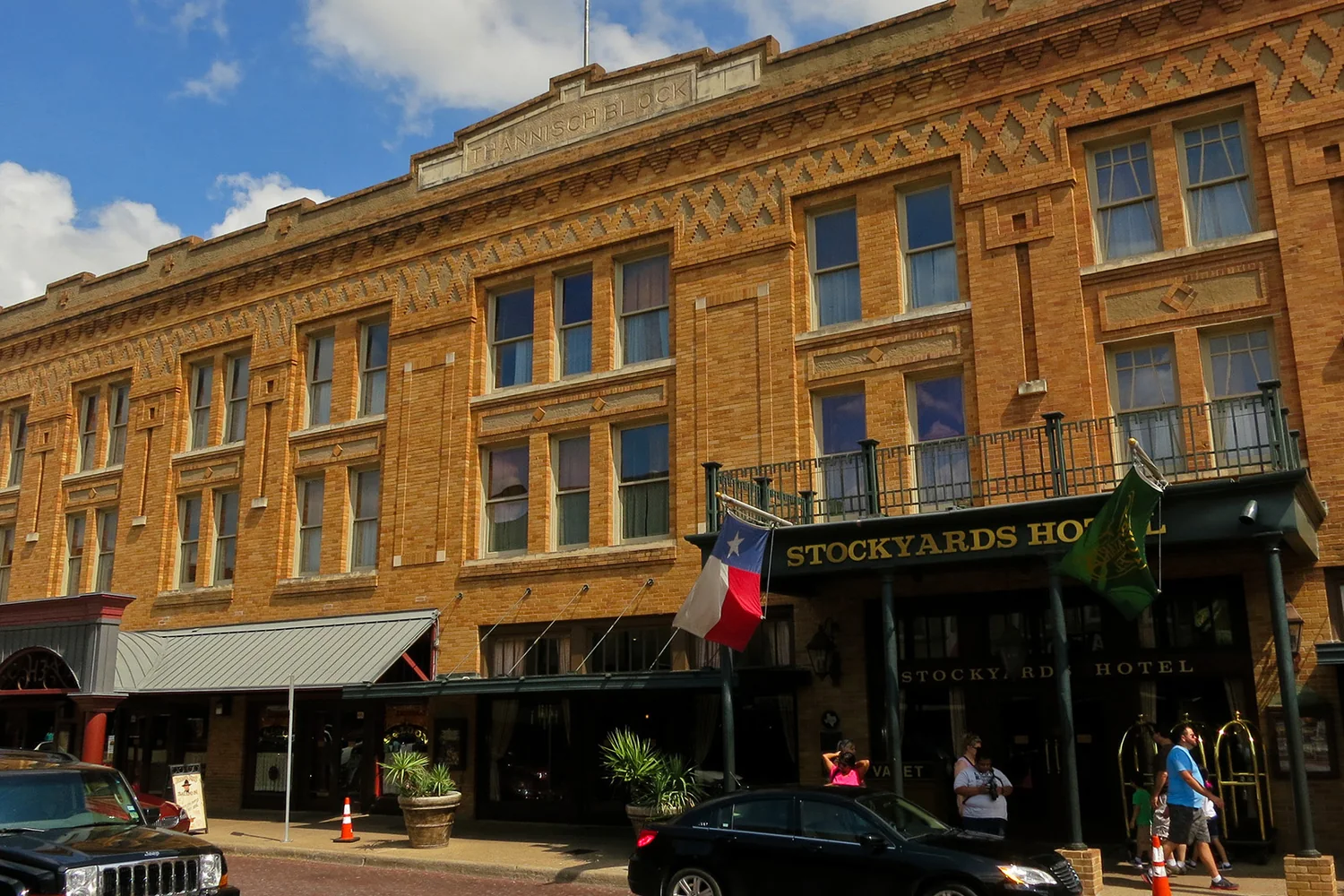
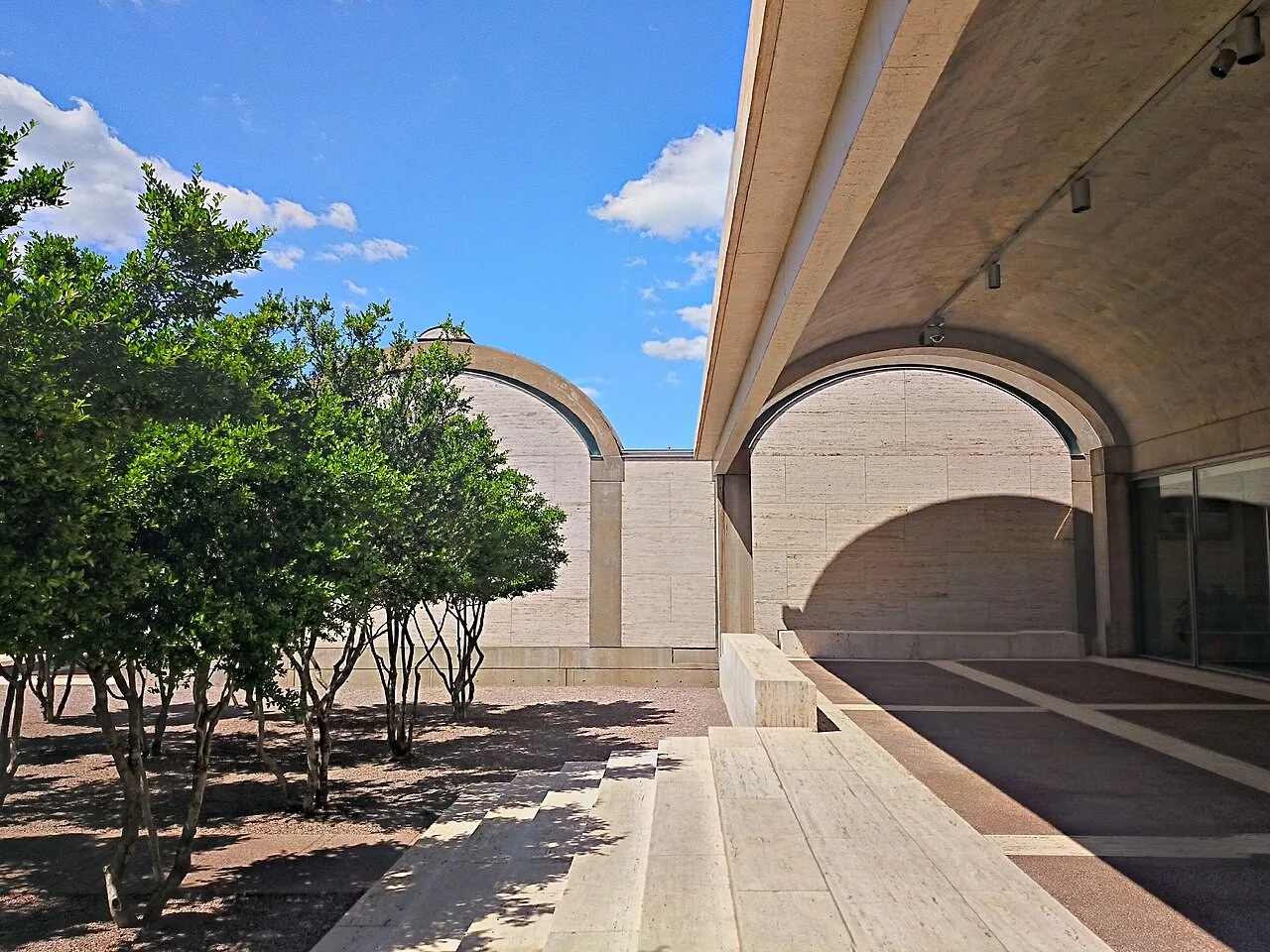
Fort Worth’s cattle-trading history is still legible around the Stockyards, where the brick streets and livestock buildings give the entertainment district its physical character. Its Cultural District offers another expression of the city’s ambition. At the Kimbell, Louis Kahn’s vaulted building makes daylight part of the encounter with art, while Renzo Piano’s pavilion adds another architectural voice. Pairing these places reveals a city shaped by both commercial hustle and patient looking, with neither story canceling out the other.
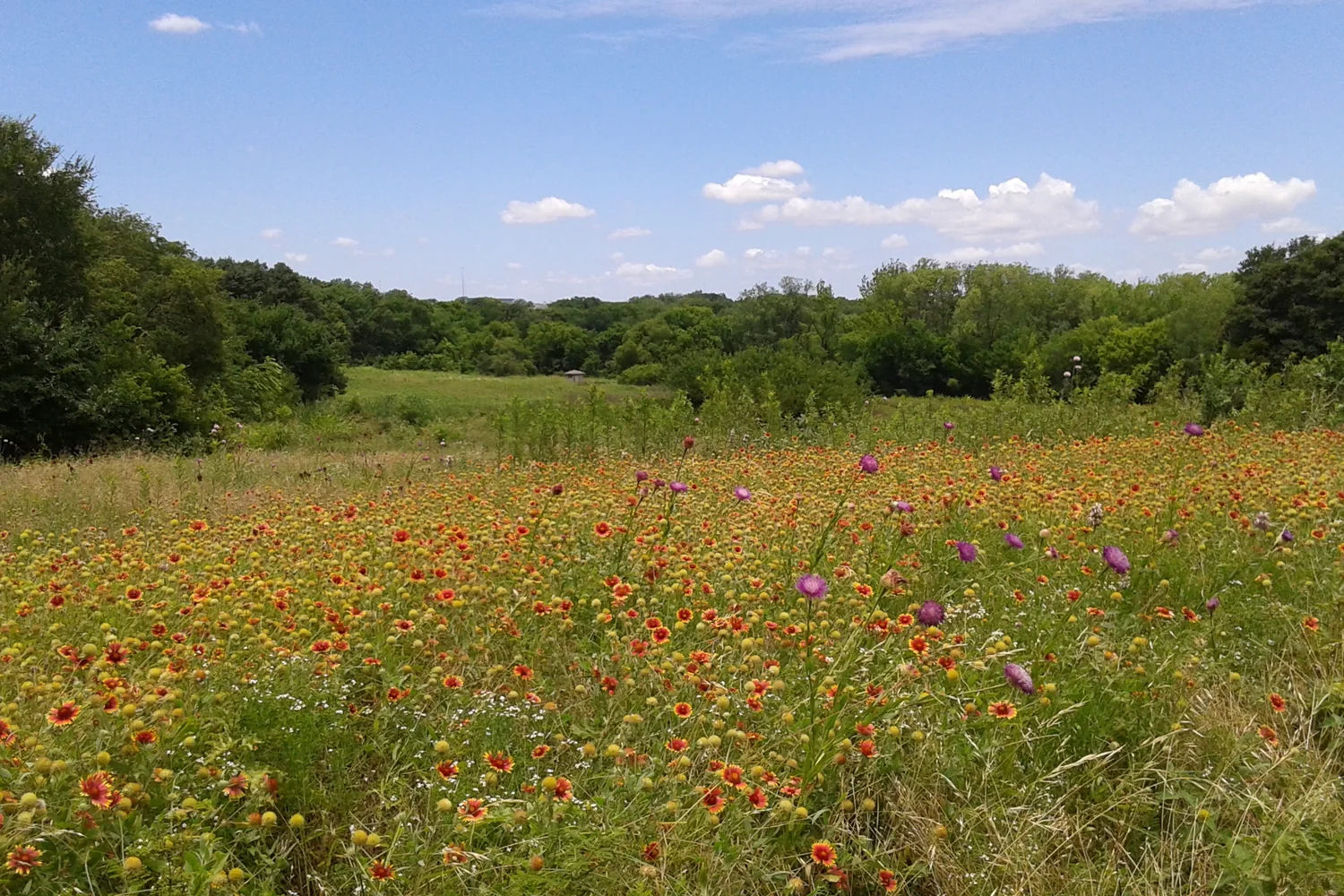
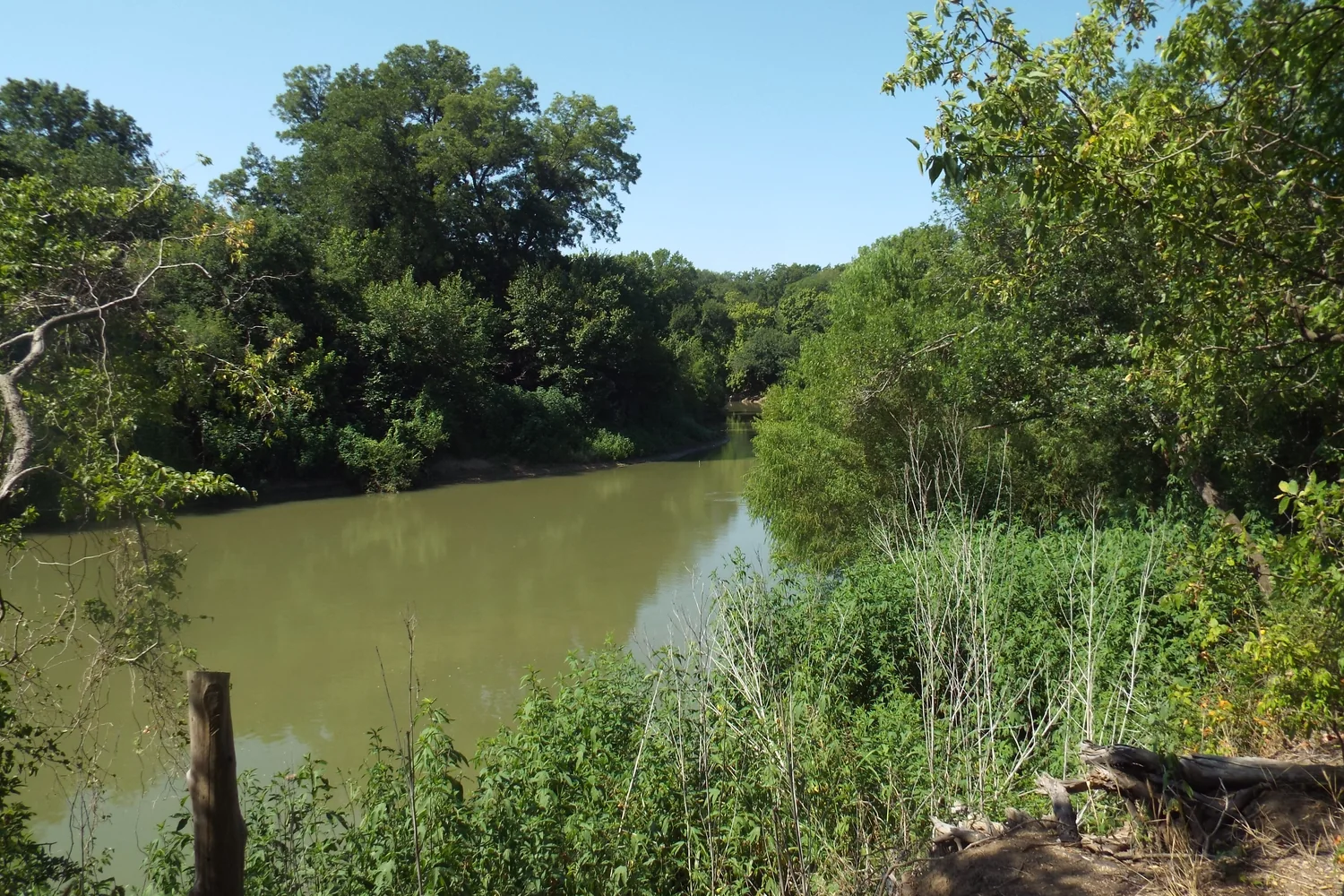
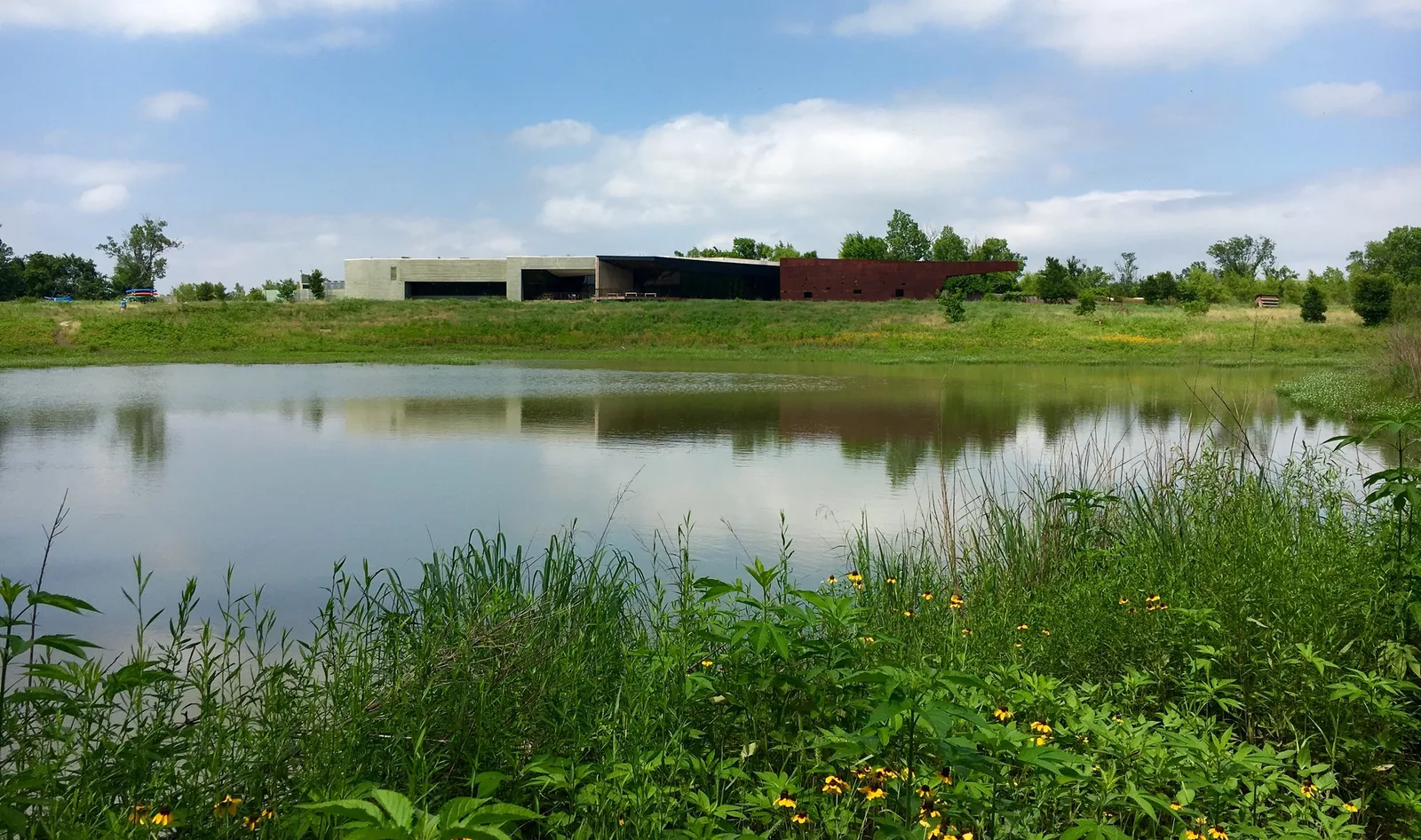
The region’s quieter original landscapes survive in pieces worth seeking out. McKinney’s Heard sanctuary brings Blackland prairie, wetlands and several kinds of woodland into a single walk. South of downtown Dallas, Trinity River Audubon Center introduces the bottomland forest and wetland habitats of the Great Trinity Forest. Neither requires a wilderness expedition. Both reward slowing down enough to notice changing vegetation, a bird moving through the canopy or the way low ground holds water after rain.
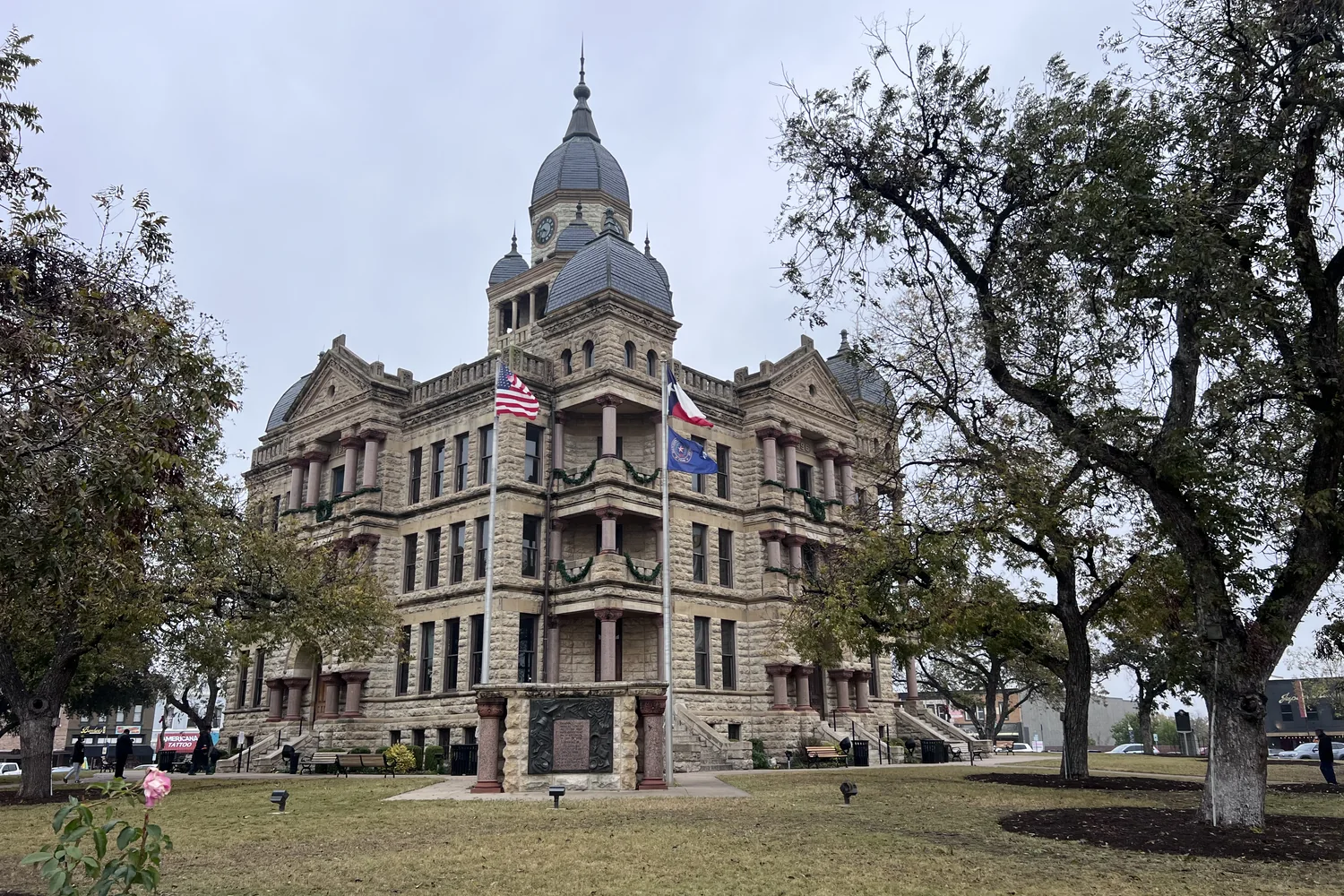
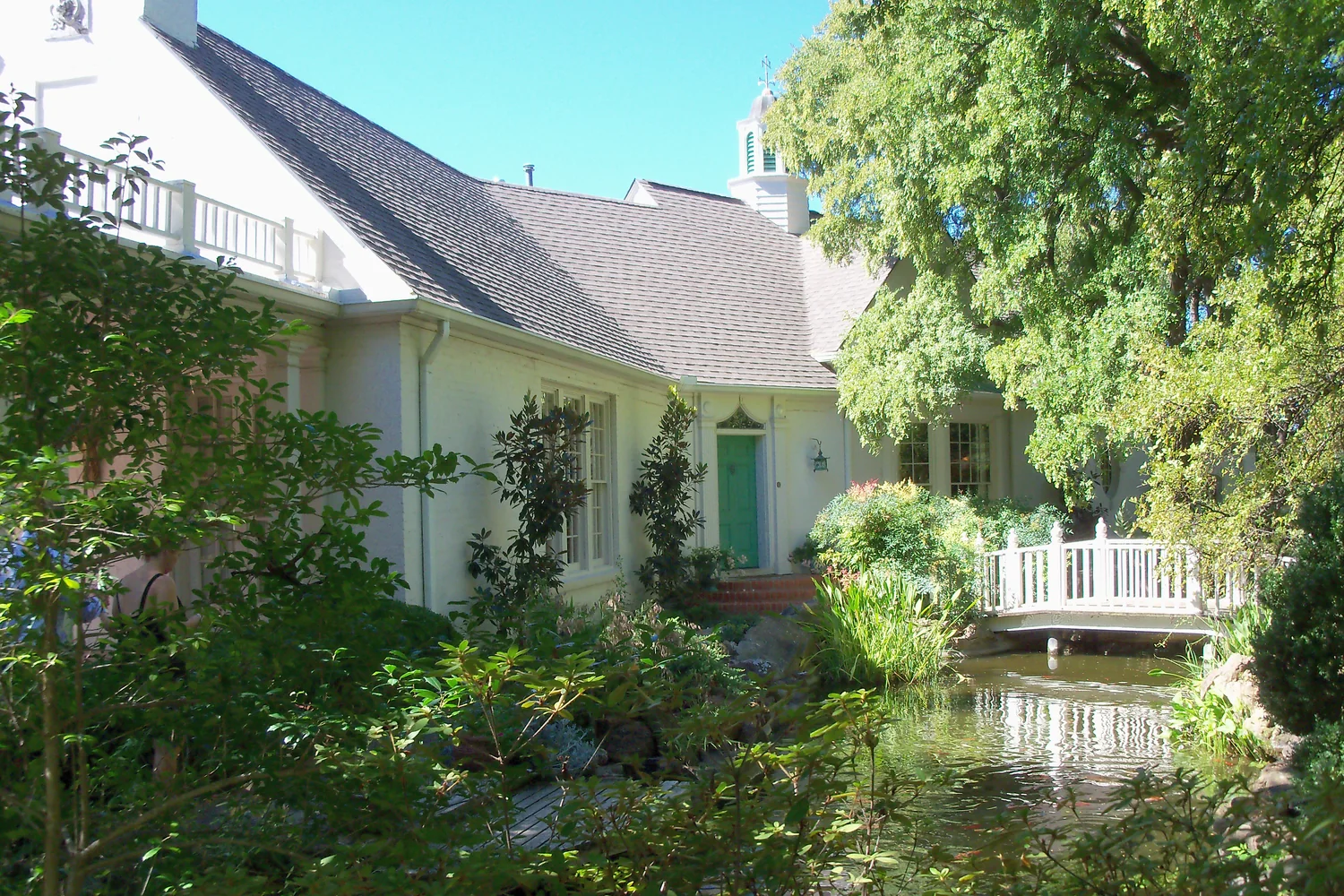
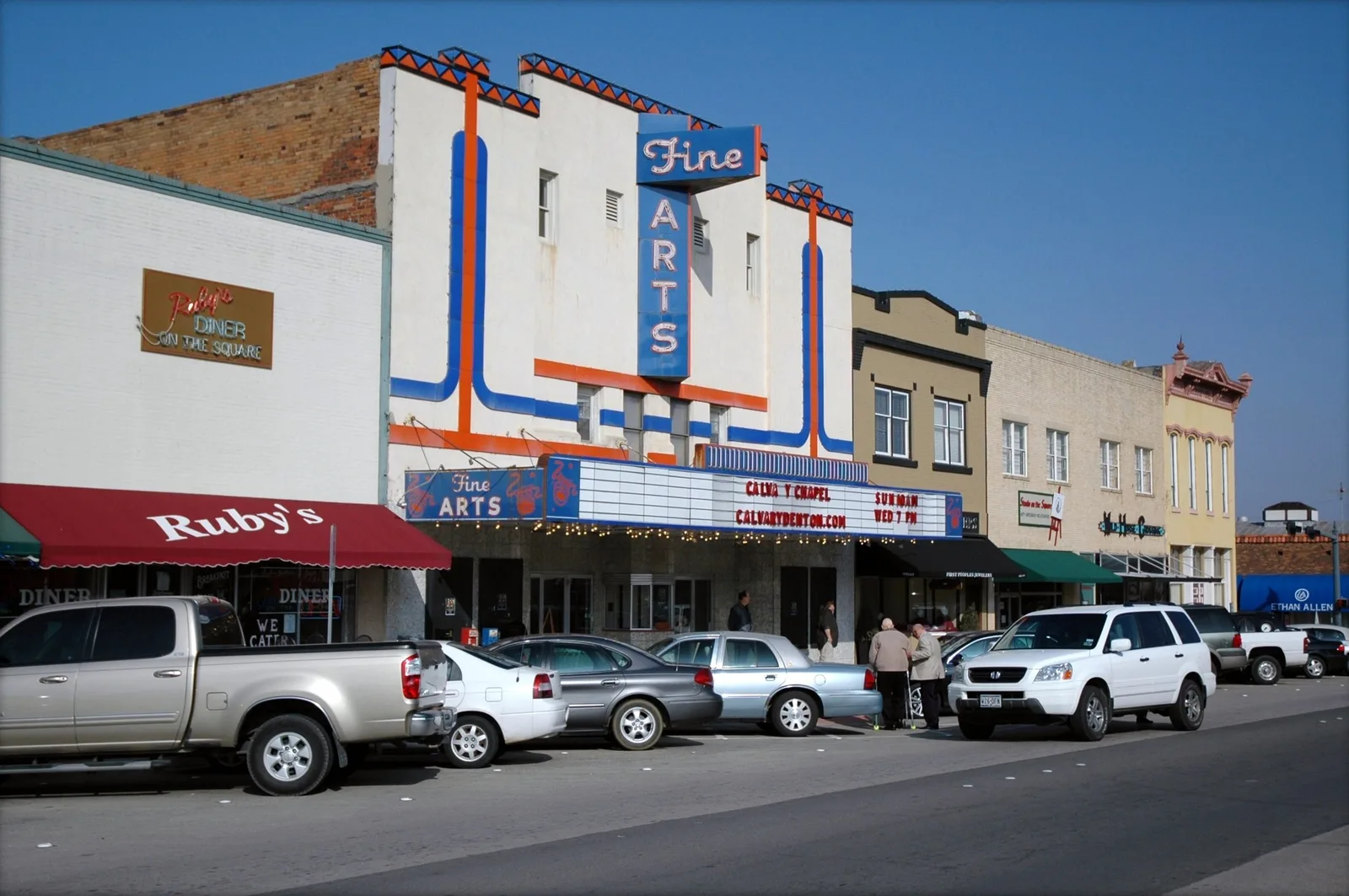
The courthouse towns supply a human-sized counterpoint to the metroplex. Denton’s square works as a gathering place as much as a landmark, with music, shops and old commercial buildings surrounding the courthouse lawn. Follow curiosity into a bookshop or stay for a performance rather than simply photographing the center. Farther west, Weatherford’s Chandor Gardens reveals another unexpectedly personal landscape: a portrait painter’s former estate, combining Chinese-inspired design with the structure of an English garden.
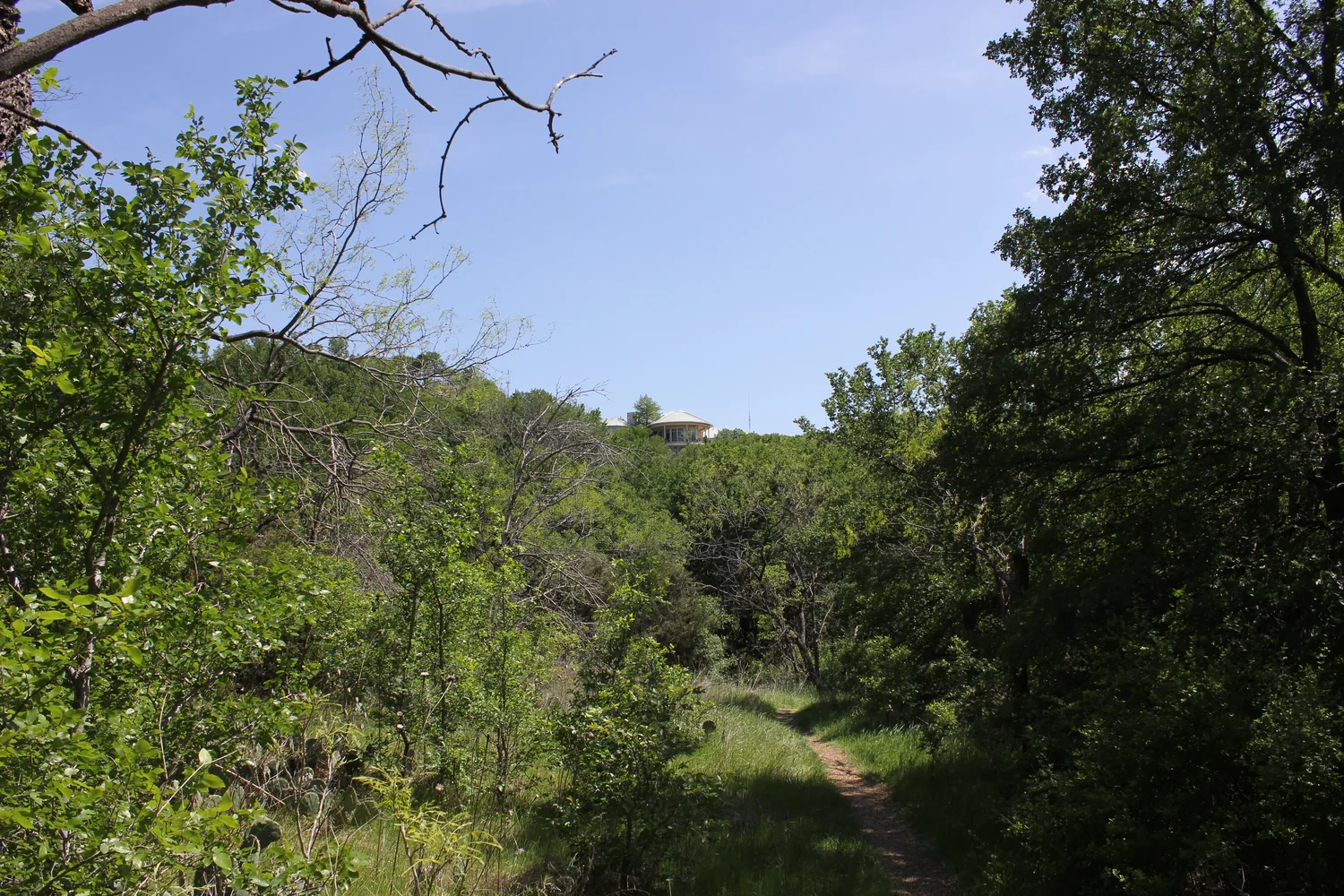
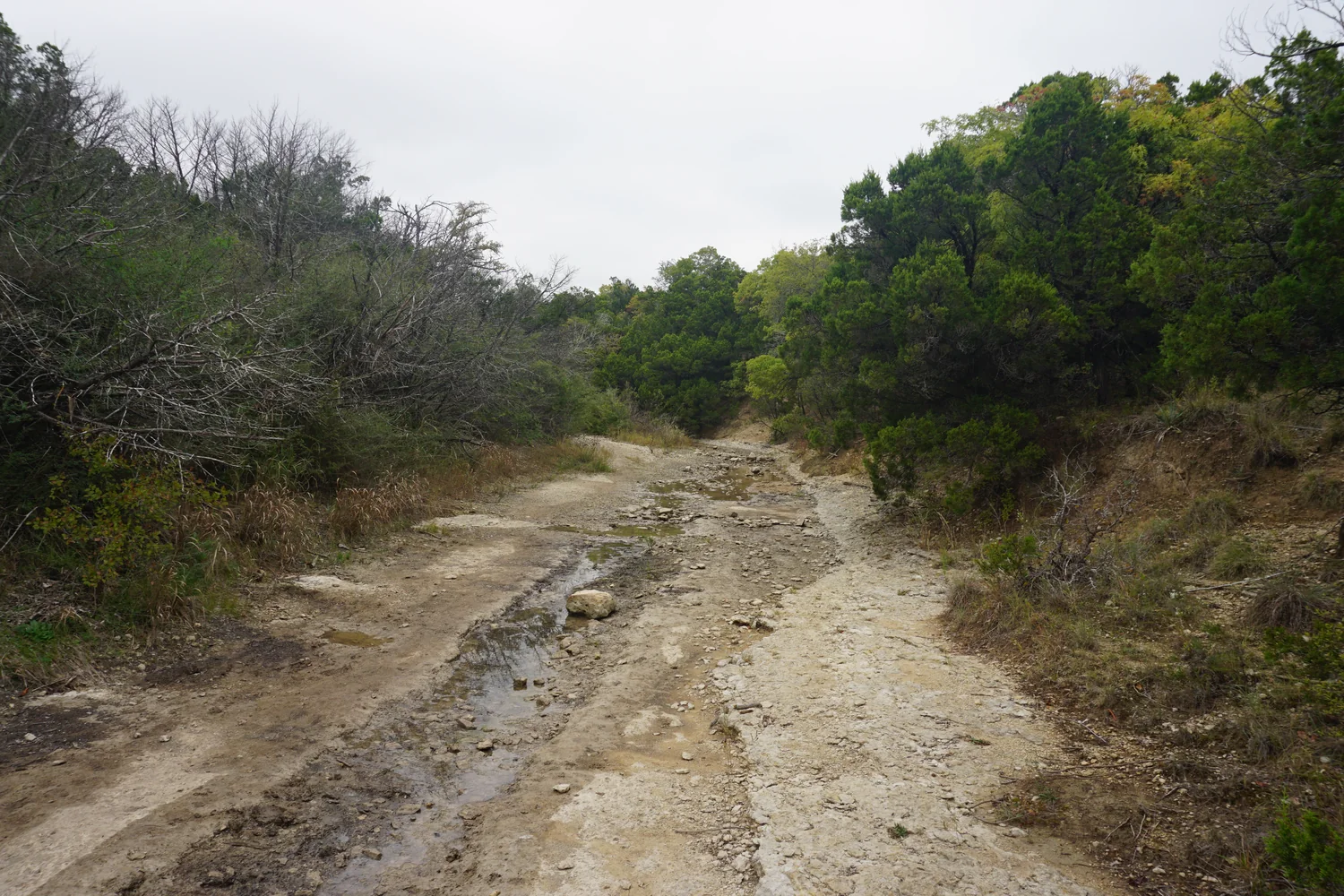
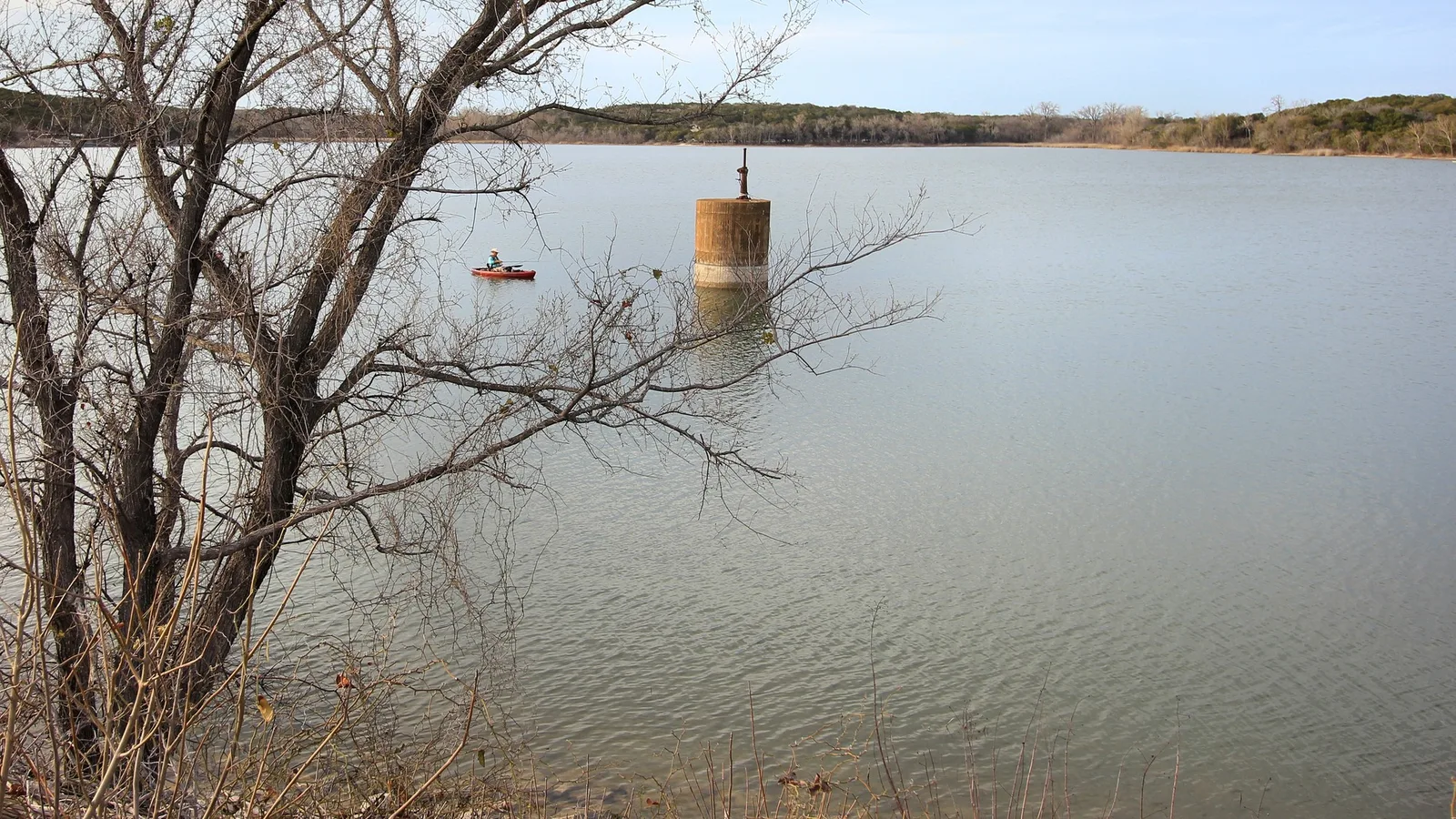
Lakes and limestone add another layer. Cedar Hill State Park places prairie remnants and the agricultural story of Penn Farm beside Joe Pool Lake. Southwest of Fort Worth, Cleburne State Park offers wooded trails around Cedar Lake and a handsome three-tiered spillway built by the Civilian Conservation Corps. The craftsmanship matters as much as the water view. Check trail conditions after rain, and choose a realistic route before treating a green patch on the map as an effortless stroll.
The best DFW itinerary leaves room between its anchors. Pick one museum, one neighborhood or town center, and one outdoor place, then group them geographically instead of crossing the whole region repeatedly. A cattle-market building, a carefully lit gallery and a surviving prairie tell different stories about North Texas. Seen together, they turn a sprawling destination into a collection of particular places, each worth meeting on its own terms.